
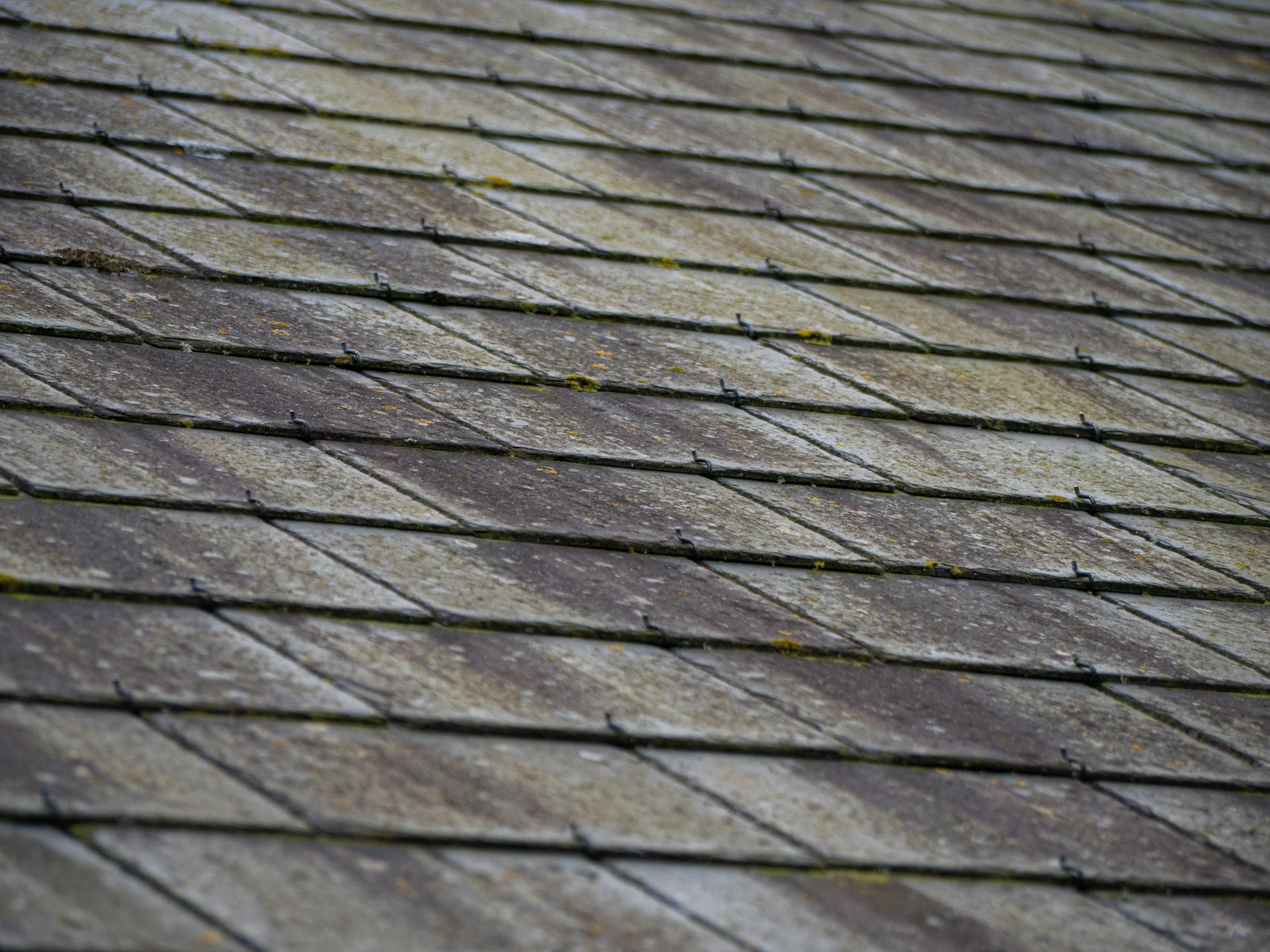
Understanding Black Streaks on Roofs
Learn what causes black streaking and how to keep your roof clean and healthy.
What Causes Black Streaks on Roofs in Hickory, NC?
Black streaks on roofs in Hickory and the rest of Catawba County are almost always a blue-green algae called Gloeocapsa magma, not dirt and not a sign that the roof is failing. It is very common on asphalt shingles in this climate, and a professional soft wash can remove it without damaging the shingles.
Why do black streaks appear?
Gloeocapsa magma thrives in warm, humid air and feeds on the limestone filler in asphalt shingles. As it grows, it leaves dark streaks that usually show up first on shaded or north-facing slopes, then spread down the roof as rain carries the algae along. Wind, birds, and nearby trees can also move it from one roof to the next, which is why you often see the same staining on several houses on a street.
Left alone, the streaks hurt curb appeal and can shorten the life of the shingles by holding moisture against the roof. Regular cleaning and a little maintenance go a long way.
Is it algae, dirt, moss, or mold?
People often assume the streaks are dirt, mold, or a problem with the shingles themselves. In this area, they usually are not.
Algae looks like dark gray or black streaks running down the shingles. This is the most common cause around Hickory, Newton, and Maiden.
Dirt and pollen tend to look dusty or blotchy and often wash off more easily. They do not usually form those long, even streaks.
Moss and lichen look like green or crusty patches that sit on the surface. They can lift shingles and trap more moisture, so they should be treated carefully.
Mold is much less common on a sun-exposed roof than people think. If you have leaks in the attic or soft decking, that is a roofing repair issue, not a cleaning issue.
If you are unsure, a quick look at photos or a short visit is usually enough to tell the difference.
Why roofs around Hickory get these streaks
This part of North Carolina is a good place for algae to grow. Summers are humid, and many homes sit under pines and oaks that keep the roof damp after rain or morning dew. North-facing slopes dry slowly, and neighborhoods around Lake Hickory and other waterfront areas stay even more humid.
That is why black streaks show up so often on asphalt-shingle roofs in Hickory, Newton, Maiden, Conover, Lenoir, and Morganton, even on fairly new roofs.
Do black streaks damage your roof?
They are not an emergency, but they are worth treating. The algae holds moisture against the shingles, which can lead to granule loss and a shorter roof life if it is left for years. Most shingle warranties also do not treat algae stains as a manufacturing defect, so waiting on a claim will not usually solve it.
Call a roofer first, not a cleaner, if you see curling or missing shingles, exposed felt, sagging, or an active leak. We will tell you if we see anything like that during a visit and will not wash a roof that needs repair first.
Why you should not pressure wash a roof
A pressure washer can blow the protective granules off asphalt shingles, drive water under the tabs, and void a shingle warranty. High pressure also does not kill the algae at the root, so the streaks often come back sooner.
A soft wash uses low pressure and a cleaning solution that reaches the algae without chewing up the shingles. That is the method we use at Brilliant Softwash.
How we soft wash a roof
We walk the property with you and inspect the roof, gutters, and landscaping.
We wet and protect nearby plants before any cleaning solution is applied.
We apply a soft-wash treatment at low pressure and give it time to work, so the algae is killed at the root instead of just being rinsed off the surface.
We rinse where needed, check the result, and make sure the property is left in good shape.
Most roofs in this climate need another treatment every two to four years, sooner if the roof stays shaded. Trimming trees back so sunlight and air can reach the shingles helps the result last longer. Copper or zinc strips at the ridge can also reduce new growth below them, but they are a supplement, not a substitute for cleaning.
-
No. In Hickory and the surrounding towns, those streaks are usually algae, most often Gloeocapsa magma. Mold is much less common on the outside of a roof.
-
Yes, when it is done at low pressure with the right process. We protect your plants, avoid high-pressure washing, and inspect the roof before we start.
-
They can, because algae is common in this climate. A proper soft wash kills the current growth, and many roofs then stay clean for several years, especially if nearby trees are trimmed.
-
Usually not. Black streaks by themselves are a cleaning problem, not a reason to replace the roof. If we see damaged or missing shingles, we will say so and recommend a roofer.
-
Yes. Brilliant Softwash soft washes roofs in Hickory, Newton, Maiden, Conover, Lenoir, Morganton, and the surrounding communities in Catawba, Caldwell, Burke, and Lincoln counties.
Frequently asked questions
Ready to get the streaks off your roof?
If your roof has black streaks, we can take a look and give you a straightforward estimate. See our roof cleaning service or request an estimate. You can also call Brilliant Softwash at (980) 459-9136.